
InsightsTalent
What talent intelligence is, and how it changes hiring decisions
Key takeaways
- Talent intelligence uses real market and candidate data to make hiring decisions.
- It starts with discovery and defined success criteria, not a job post.
- It matters most for hard-to-fill, executive and brand-new roles.
Most hiring still starts the same way: write a job description, post it, and sort through whoever applies. For routine roles that can work. For a hard-to-fill technical role, a new position, or an executive hire, it often leads to months of searching, a salary that does not match the market, or a hire who does not fit. Talent intelligence is a different way to make those decisions.
What talent intelligence is
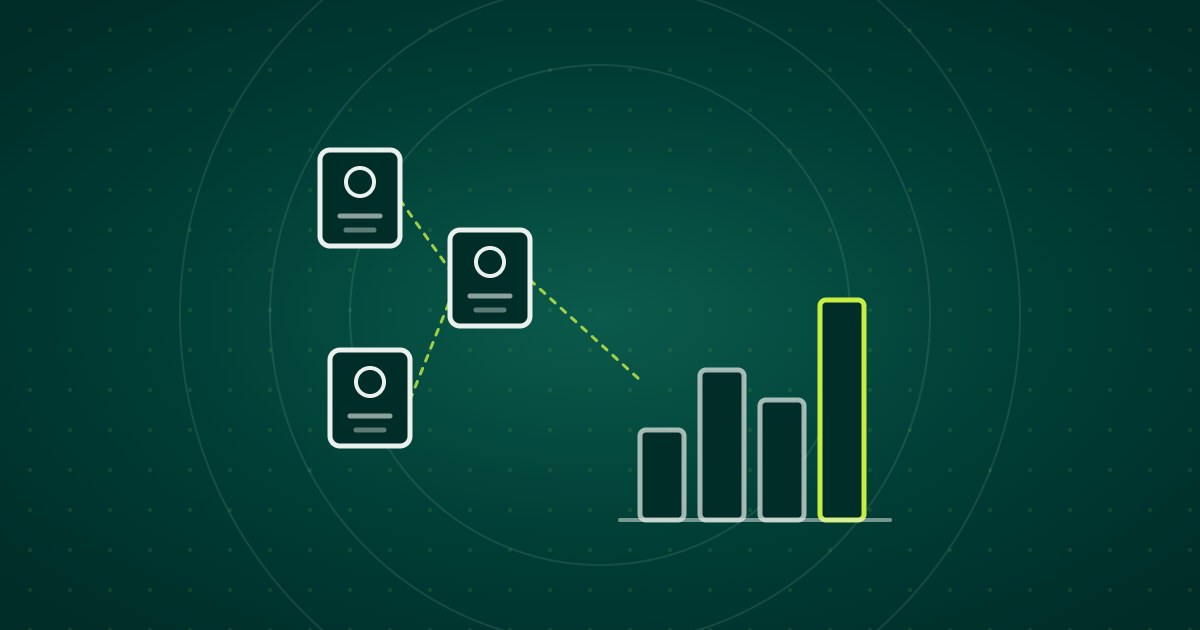
Talent intelligence means using real data about the labor market and about candidates to make better hiring decisions. It brings together three things:
- Market intelligence: current salaries, how many qualified people exist for a role, where they are, and who else is competing to hire them.
- Role definition: clear, agreed success criteria for the role before the search begins, based on what the business actually needs.
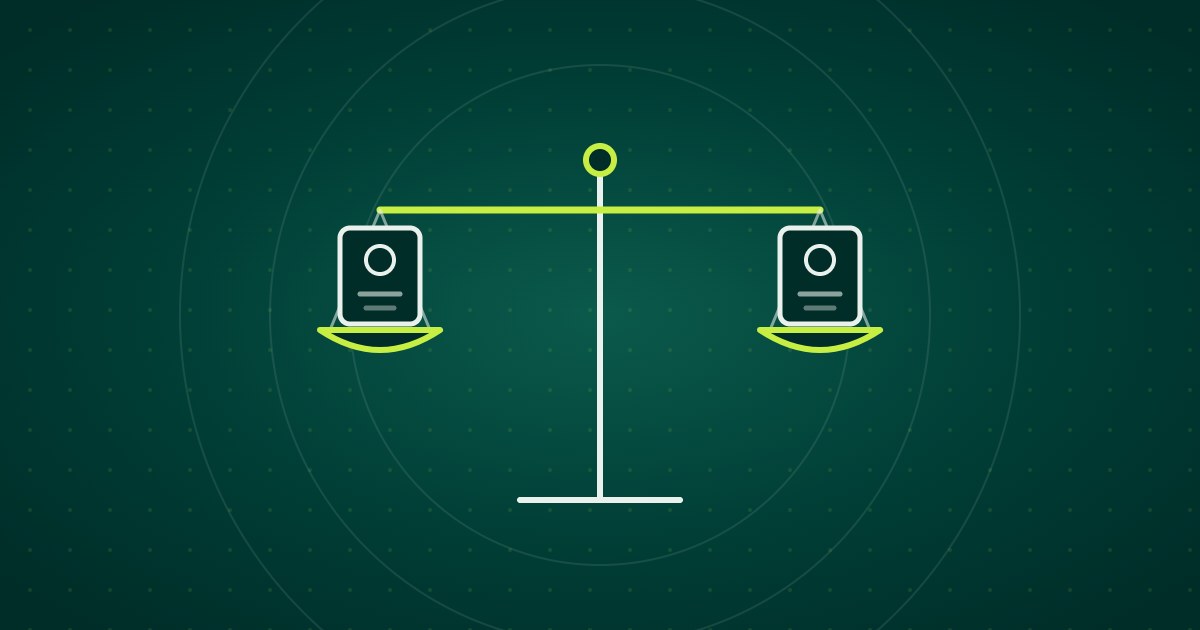
- Evidence-based evaluation: assessing every candidate against those criteria in a consistent way, rather than relying on resumes and gut feel.
How it differs from traditional recruiting
Traditional recruiting starts with a job post and reacts to whoever applies. Talent intelligence starts with discovery: what the business needs, what the market looks like, and what success in the role will mean in a year. The search is then aimed at people who meet those criteria, including those who are not actively looking.
What it changes
- Pay that matches the market before the role is posted, instead of after the first candidates turn down offers.
- Better decisions about the kind of hire, such as full time, contract or fractional, based on what is actually available.
- Faster, more predictable searches, because the target is clear from the start.
- Better fit and less risk, because candidates are measured against defined criteria for technical skill, culture and business fit.
- Pipelines that exist before the need, so the next critical hire does not start from zero.
When it matters most
- Hard-to-fill technical roles in security, data and engineering
- Executive and leadership hires
- New roles the company has never hired for
- Rapid growth, when many hires need to happen at once
- Regulated industries, where a wrong hire carries extra risk
What to ask a talent partner
- Where does your market data come from, and how current is it?
- How do you define and measure candidate fit?
- If you use AI, how is it governed, and who makes the final call?
- Can you show results from searches like ours?
How Sollucio can help
Sollucio's Talent Intelligence and Talent Acquisition practice combines executive recruiting experience, technology leadership and AI-assisted evaluation. Every search starts with discovery, candidates are evaluated against defined success criteria, and decisions are informed by current market data rather than old salary surveys.
Next step
Have a critical role to fill?
We will show you what the market looks like before you post it.

About the author
Chan Phouthavong is Sollucio’s Chief Executive Officer. With more than 15 years of entrepreneurial leadership, he oversees the growth of Sollucio’s service divisions, including Talent Intelligence and Talent Acquisition, and leads Sollucio Ventures.
Related reading
Keep reading
 AI & hiringUsing AI in hiring responsibly: bias audits, candidate notices and the laws starting to require themWhere AI shows up in hiring, what New York City, Illinois, California, Colorado and EU rules require, and a practical program for using AI fairly.
 IT leadershipFractional CIO vs full-time CIO: how to decideWhen a fractional CIO makes more sense than a full-time hire, when it doesn't, and what a good engagement looks like.Our servicesTalent IntelligenceSee how Sollucio combines executive recruiting, market data and AI-assisted evaluation.