
InsightsAI & hiring
Using AI in hiring responsibly: bias audits, candidate notices and the laws starting to require them
Key takeaways
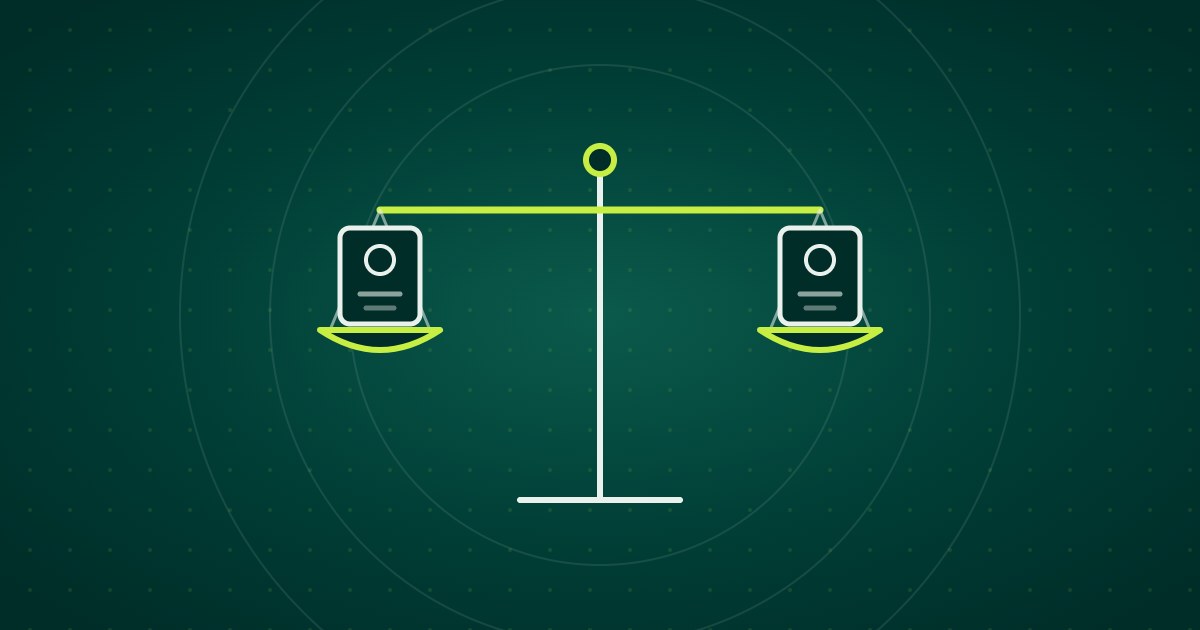
- Anti-discrimination law applies whether a person or an AI tool made the decision.
- New York City, Illinois and California already require bias checks, notices or both; Colorado and the EU follow in 2027.
- Inventory your tools, question vendors, keep a human in the decision and check outcomes every year.
AI is now part of most hiring processes, often without anyone deciding to add it. Applicant tracking systems rank resumes, sourcing tools suggest candidates, chatbots screen applicants, and some interview platforms analyze video. These tools can save time, but they also create legal and reputational risk if they treat candidates unfairly. Here is what the rules require today and how to build a hiring process that holds up.
Where AI shows up in hiring
- Resume screening and candidate ranking
- Sourcing tools that search for and suggest candidates
- Chatbots that answer questions and screen applicants
- Skills tests and assessments scored by software
- Video interview tools that analyze responses
The rules today
This is a fast-moving area, and the summary below reflects the rules as of November 2026. It is general information, not legal advice.
- Federal law still applies. Existing anti-discrimination laws cover hiring decisions whether or not a tool made them. Using a vendor's AI does not move the responsibility to the vendor.
- New York City requires an independent bias audit of automated hiring tools within the year before use, publication of the results, and notice to candidates.
- Illinois requires consent before AI analyzes video interviews and, since January 1, 2026, requires employers to notify applicants and employees when AI is used in employment decisions. It also prohibits uses of AI that have a discriminatory effect.
- California applies its civil rights rules to automated decision systems used in employment as of October 1, 2025, and its privacy regulator has added requirements for automated decision-making technology, with compliance due by January 1, 2027.
- Colorado replaced its original AI Act before it took effect. The narrower replacement law takes effect January 1, 2027.
- The European Union treats AI used in hiring as high-risk under the EU AI Act. Those obligations now apply from December 2027.
The direction across all of these is the same: tell candidates when AI is involved, check that tools do not disadvantage protected groups, and keep a human accountable for the decision.
A practical program
- Inventory your tools. List every hiring tool that uses AI, including features inside your applicant tracking system that you may not have turned on deliberately.
- Question your vendors. Ask for bias audit results, what data the tool uses, how it reaches its recommendations, and what you can show a candidate who asks.
- Keep a human in the decision. AI can help sort and summarize, but a trained person should make and own hiring decisions.
- Tell candidates. Explain in plain language where AI is used and how to request an alternative or an accommodation.
- Check outcomes. Compare selection rates across groups at each stage at least yearly, and investigate any stage where a group is advancing less often.
- Document it. Keep records of the tools, audits, notices and reviews. They are your evidence if a decision is challenged.
- Govern it with the rest of your AI. Hiring tools belong in the same AI inventory, policy and vendor review process as every other AI system.
How Sollucio can help
Sollucio sits on both sides of this question. Our cybersecurity practice runs AI governance programs, and our Talent Intelligence team works in hiring every day. We can review the AI in your hiring process, help you question your vendors, and set up notices, reviews and records that meet the rules where you hire.
Next step
Using AI anywhere in your hiring process?
We will help you see where it is, what the rules require and what to fix first.

About the author
Tom Greer, CISSP, leads Sollucio’s cybersecurity practice and serves as a vCISO for growing and regulated companies. He has delivered SOC 2 and HIPAA programs for multiple organizations and built security programs from the ground up, from policy and gap assessments to roadmaps that teams can actually follow.

About the author
Chan Phouthavong is Sollucio’s Chief Executive Officer. With more than 15 years of entrepreneurial leadership, he oversees the growth of Sollucio’s service divisions, including Talent Intelligence and Talent Acquisition, and leads Sollucio Ventures.
Related reading
Keep reading
 TalentWhat talent intelligence is, and how it changes hiring decisionsWhat talent intelligence is, how it differs from traditional recruiting, and how market data and defined success criteria improve hiring decisions.
 AI governanceAn AI use policy for a growing company: approved tools, data rules and "shadow AI"What an AI use policy should cover: approved tools, data rules, human review and the controls that stop shadow AI at a growing company.Our servicesTalent IntelligenceSee how Sollucio combines executive recruiting, market data and AI-assisted evaluation.